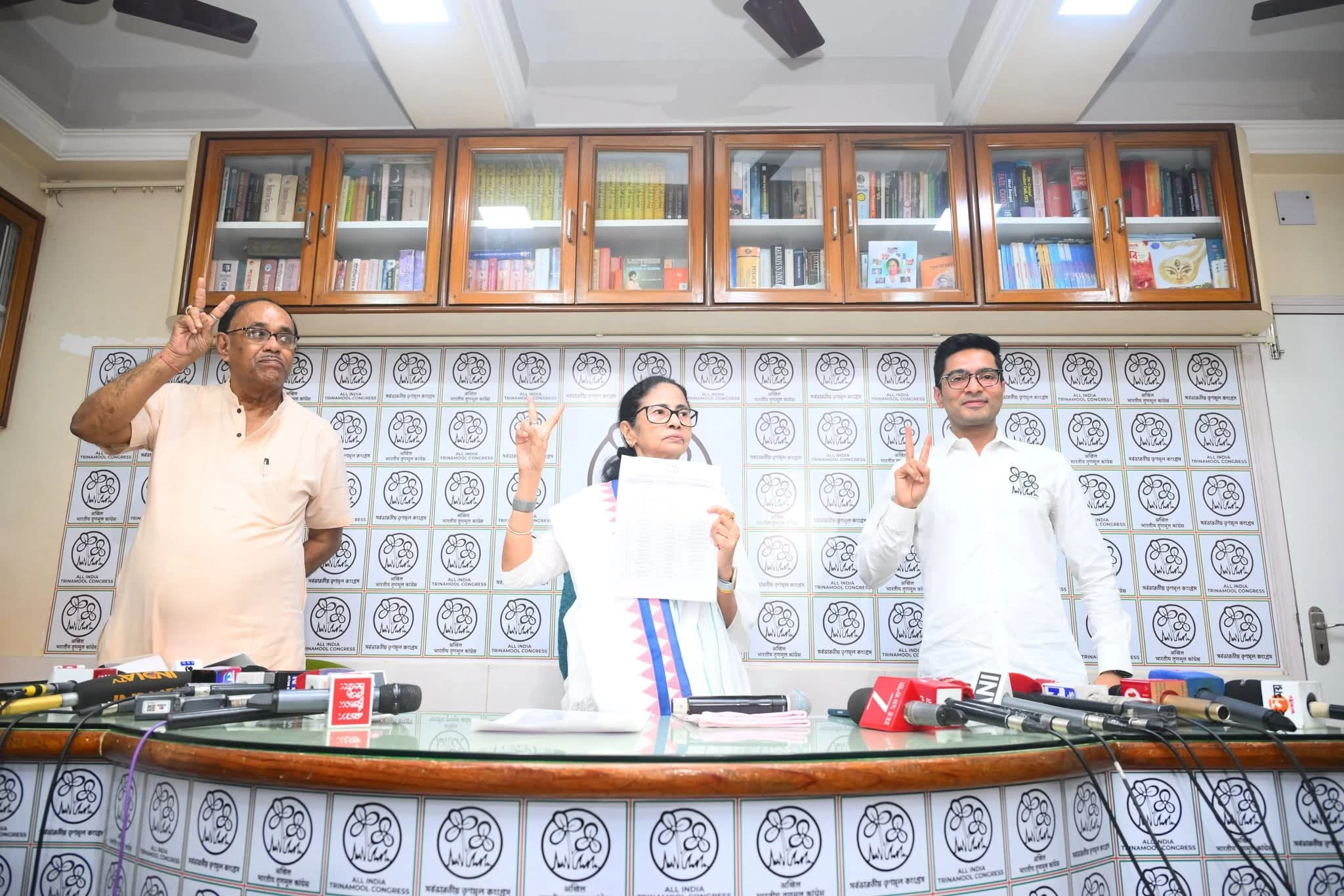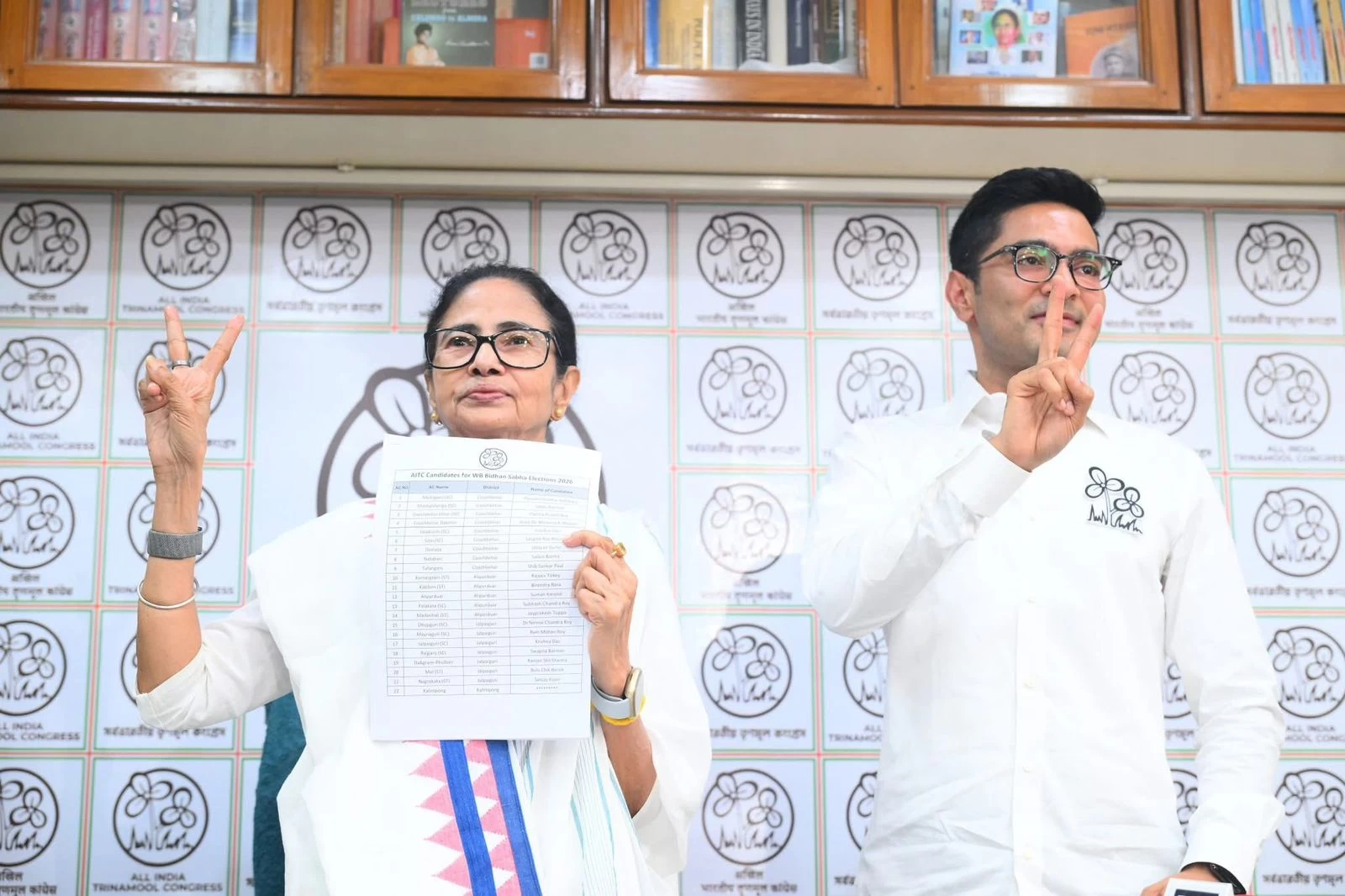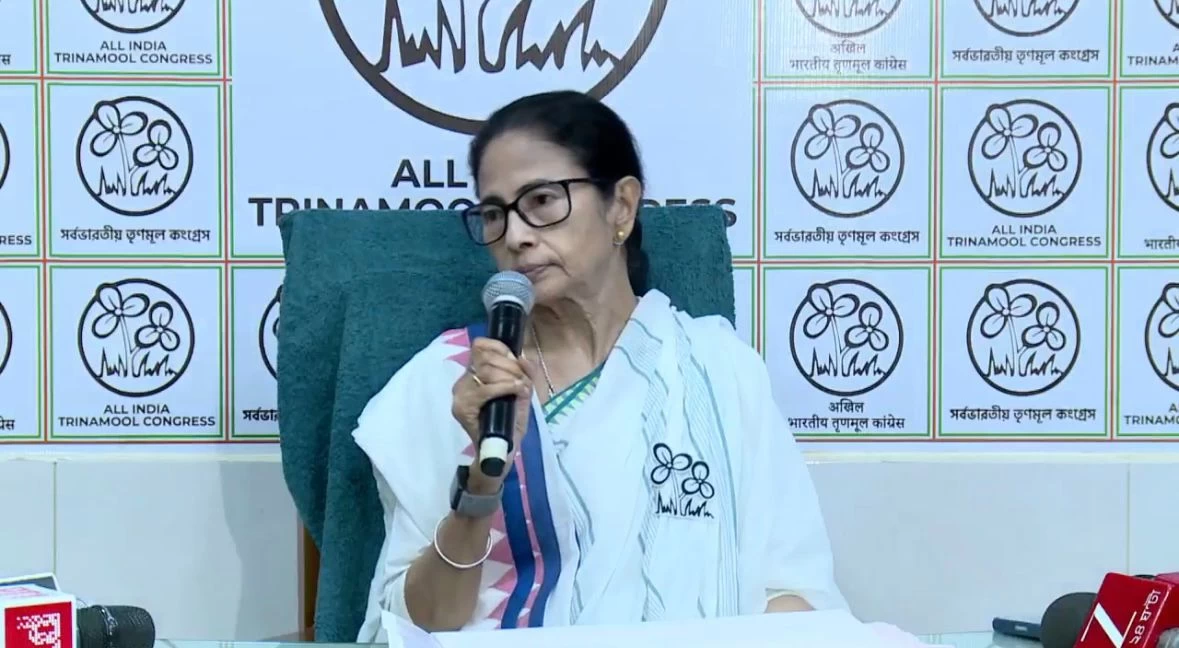
The ruling Trinamool Congress (TMC) has unveiled its candidate list for the 2026 West Bengal Assembly elections, offering a clear window into its electoral strategy - one that blends continuity with calibrated change, while attempting to balance representation across gender, community, and age groups. The party has announced candidates for 291 of the 294 seats, setting the tone for what is expected to be a high-stakes contest.
A major takeaway from the list is the party’s reliance on its existing leadership. Of the 294 sitting MLAs evaluated, around 60% have been retained, while 33% have been dropped. Another 7% have been shifted to different constituencies. Former minister and now suspended from party - Partha Chatterjee has been dropped from the list. He is one of the 74 people to have been removed from battle 2026. He was arrested by Enforcement Directorate in 2022 and accused of teacher recruitment scam.
This suggests that while Chief Minister Mamata Banerjee’s party is banking heavily on known faces and incumbency advantage, it is not shying away from making tough calls in underperforming or politically sensitive seats.
Political observers say this reflects a dual approach - rewarding loyalty and performance, while also addressing anti-incumbency concerns that naturally build up over a decade in power. Recent reports had indicated that candidate selection would hinge on “performance and winnability,” along with the need to inject fresh faces.
Sources close to the selection process claim that Abhishek Banerjee started the process back in June 2024. “Abhishek Banerjee will call organisational people in rounds for feedback. We have seen senior leaders too were reprimanded for non performance. In a no mercy approach, he always told everyone that performance will ve rewarded. Grass root level leaders were randomly called by Dada for feedback. That build a separate connection between the party and the top leadership. His team will document every feedback, verify and then file a report. The names have been dropped because there has been some performance issue on their part”, said someone on condition of anonymity, one who has been part of Abhishek Banerjee’s scrutiny team
The gender composition of the list shows 52 women candidates out of 291, translating to 18% representation, while men account for 82%. While TMC has historically projected itself as more inclusive compared to rivals, the numbers indicate that women remain underrepresented when you consider their own Lok Sabha 2024 candidature list. However, the party continues to field a higher number of women than many competitors, positioning this as a gradual, rather than transformative, shift. BJP has released their first list of 144 candidates that included only 11 women faces, translating to 6:72 woman - man ratio with less than 7 percent representation.
Age Index
Age-wise, the party has leaned heavily on experience:
41–50 years: 31%
51–60 years: 32%
Together, over 60% of candidates fall in the 41 - 60 age bracket, indicating a preference for politically seasoned leaders. But there were substantial increase in younger candidate with about 14% below the age of 40, suggesting that generational transition within the party is gradual. The candidate list comes at a time when TMC is seeking to counter anti-incumbency while defending its stronghold against an aggressive opposition campaign. Mamata Banerjee completes 15 years in power - a tenure that has seen several controversies over alleged cases of corruption that had seen arrest of her party leaders. TMC has always maintained that most of those cases were politically managed and manipulated to target the party misusing the central agencies.
With key battles, including the high-profile contest in Bhabanipur - expected to draw national attention, the list reflects a cautious but calculated strategy: retain the core, refresh selectively, and maintain social coalitions.
Ultimately, the success of this approach will depend on whether continuity translates into voter confidence or whether the appetite for change outweighs familiarity in Bengal’s evolving political landscape.