With the 2026 West Bengal Assembly elections scheduled to be held in two phases on April 23 and April 29, the Election Commission of India (ECI) has initiated an unprecedented scale of security deployment and administrative restructuring, signalling a heightened focus on ensuring free and fair polling in the state.
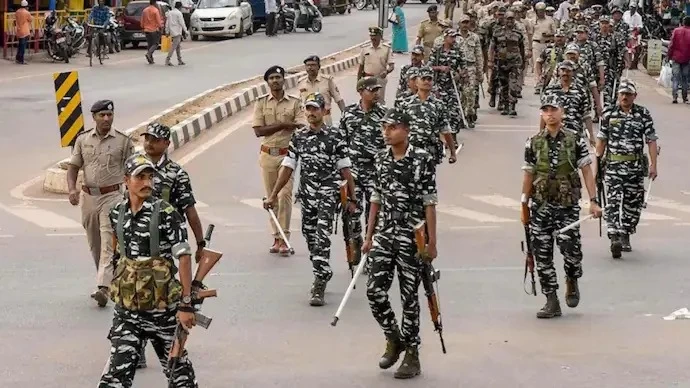
In what is being described as one of the largest security mobilisations in the state’s electoral history, the ECI plans to deploy between 2,000 and 2,500 companies of Central Armed Police Forces (CAPF) in each phase of polling. The extensive presence of central forces is aimed at preventing violence and maintaining law and order across sensitive constituencies.
The Commission has also directed that central forces be immediately deployed in any area showing signs of disturbance, underscoring a proactive approach to handling potential flashpoints during the election period.
Parallel to the security arrangements, the ECI has undertaken sweeping administrative changes in the state. In a significant reshuffle, 13 IAS officers have been transferred and several District Magistrates—who also function as District Election Officers—have been replaced ahead of the polls. This move is intended to ensure neutrality and strengthen the integrity of the electoral process at the district level.
The reshuffle is part of a broader overhaul that includes changes across both the administrative and police hierarchy. Senior officials, including top bureaucrats and police leadership, have been reassigned in a bid to minimise local influence and reinforce impartial governance during the election period.
Officials indicate that such measures form part of the Commission’s standard protocol in politically sensitive states, where electoral contests are closely fought and concerns over law and order have historically been significant. The large-scale deployment of central forces, combined with administrative reconfiguration, reflects a “zero tolerance” stance toward electoral malpractice and disruption.
The elections, which will determine the composition of the 294-member West Bengal Legislative Assembly, are expected to witness intense political competition. Against this backdrop, the Commission’s twin strategy of усилated security presence and structural administrative changes is aimed at creating conditions for a transparent and peaceful electoral exercise.
As preparations intensify, the coming weeks will test the effectiveness of these measures in maintaining stability and public confidence in one of India’s most closely watched state elections.