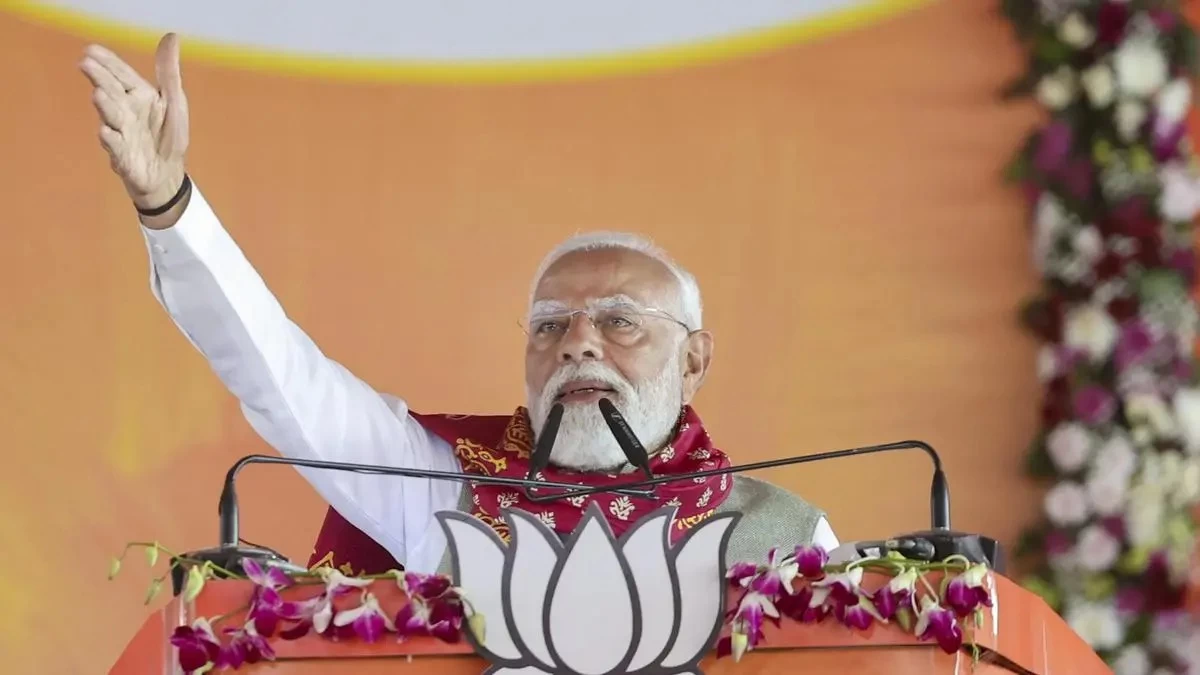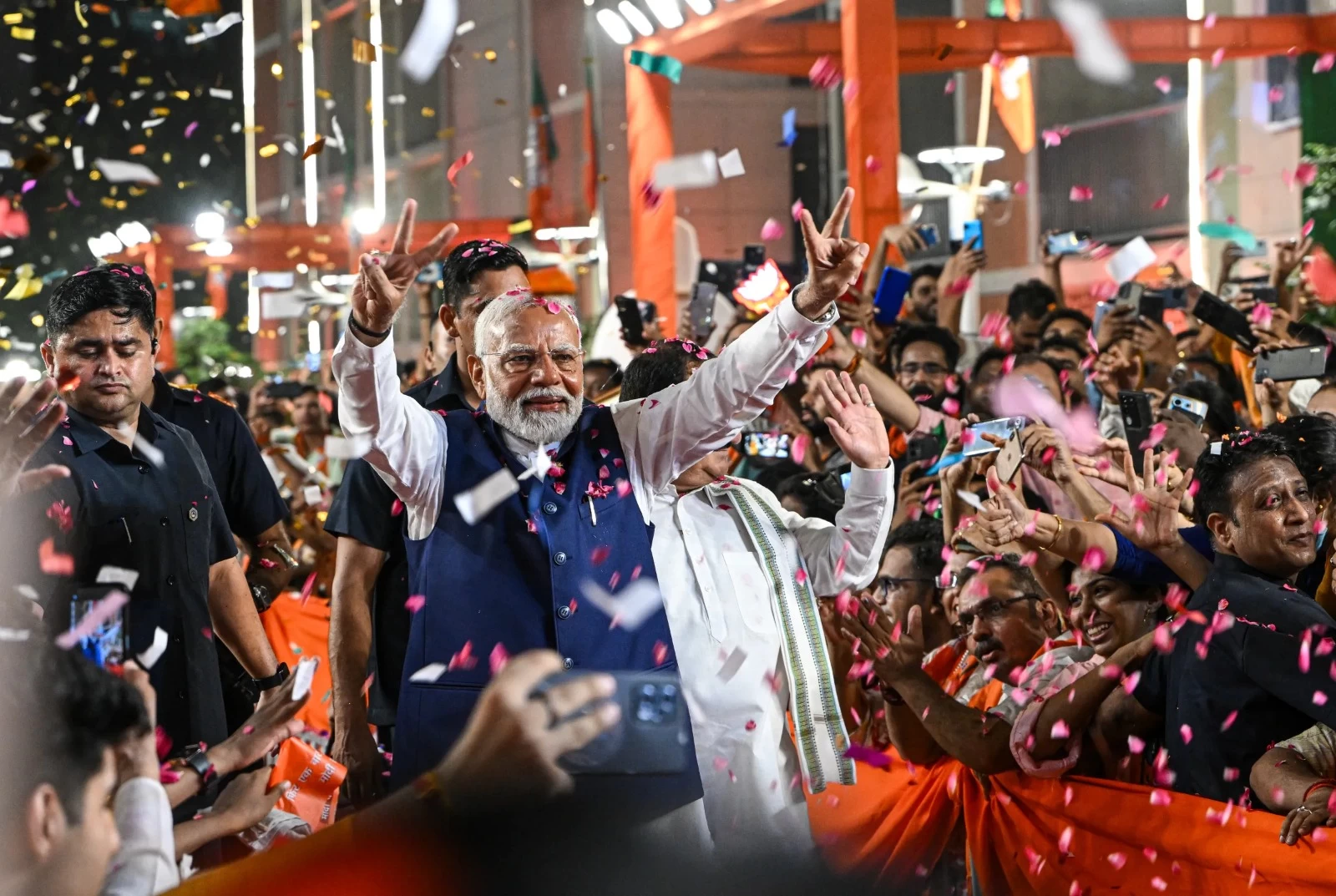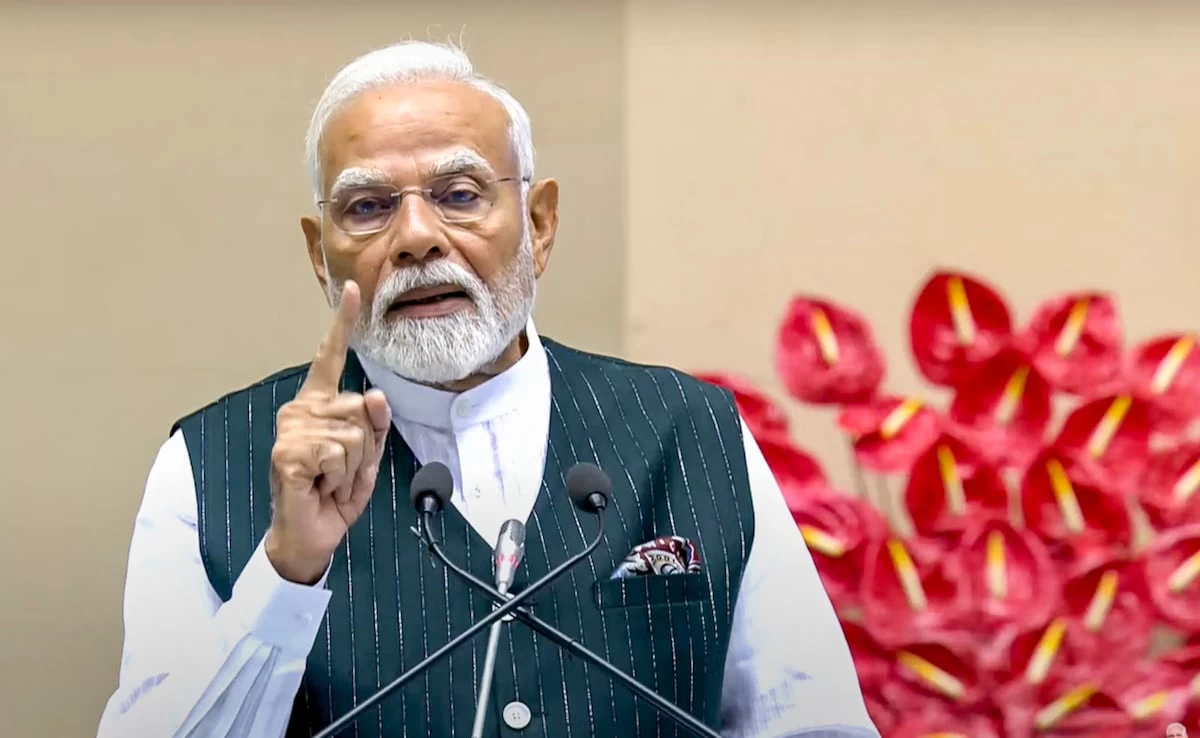
In his address to the nation delivered on Sunday evening, Prime Minister Narendra Modi celebrated the “dawn of a transformative phase” in India's taxation landscape, dubbing the rollout of revised Goods and Services Tax (GST) rates as a "Bachat Utsav" – a nationwide festival of savings. Speaking on the eve of Navratri, PM Modi extended heartfelt congratulations to every citizen, emphasising how these next-generation reforms would lighten the financial load on households across the economic spectrum, from the underprivileged to the burgeoning middle class.
His address came just hours before the new GST structure takes effect on Monday, September 22. This overhaul, approved unanimously by the 56th GST Council earlier this month after an exhaustive 10.5-hour deliberation, simplifies the tax regime into a streamlined two-slab model: 5% for essentials and 18% for most other goods and services. Gone are the complexities of multiple brackets, replaced by a framework designed to curb inflation on daily necessities and foster self-reliance.
"Brothers and sisters, today marks a joyous moment for our 140 crore Indians. The GST Bachat Utsav begins tomorrow, bringing cheer to kitchens, clinics, and classrooms alike," PM Modi declared. He highlighted immediate benefits for families, noting that items like medicines, health insurance premiums, and life insurance policies would now attract zero GST, shielding vulnerable groups from rising healthcare costs. Everyday staples – from packaged milk and fresh produce to basic construction materials like cement – have seen sharp rate reductions, potentially slashing household expenses by up to 7-10% on average.
Estimates from government sources suggest these changes, combined with recent income tax exemptions for earners up to Rs 12 lakh annually, could inject a staggering Rs 2.5 lakh crore back into the pockets of consumers over the next fiscal year. "This is not just a tax cut; it's a double bonanza for the poor, the neo-middle class, and our hardworking youth. It's the turn of the common man to thrive," the Prime Minister added, weaving in a call for "Swadeshi" pride. He urged citizens to prioritise locally made products, arguing that bolstering domestic manufacturing would amplify the reforms' impact and propel India toward its ‘Viksit Bharat’ vision by 2047.
The address wasn't without political ripples. Opposition voices, led by the Congress party, swiftly critiqued the move as a "pre-election gimmick" timed suspiciously close to key state polls, reviving old jabs at GST as the "Gabbar Singh Tax." Party spokesperson Jairam Ramesh questioned whether the reforms adequately address states' pleas for extended compensation amid revenue shortfalls. Meanwhile, allies like Andhra Pradesh Chief Minister N. Chandrababu Naidu lauded it as a "pan-India celebration," predicting a surge in manufacturing and exports.
While cigarettes and tobacco face a steep 40% levy to deter consumption, broader implementation hiccups – from supply chain adjustments to trader education could temper short-term gains. The Finance Ministry has pledged a nationwide awareness drive, including the BJP-led "7-day GST Bachat Utsav" campaign from September 22 to 29, featuring workshops and promotional events.