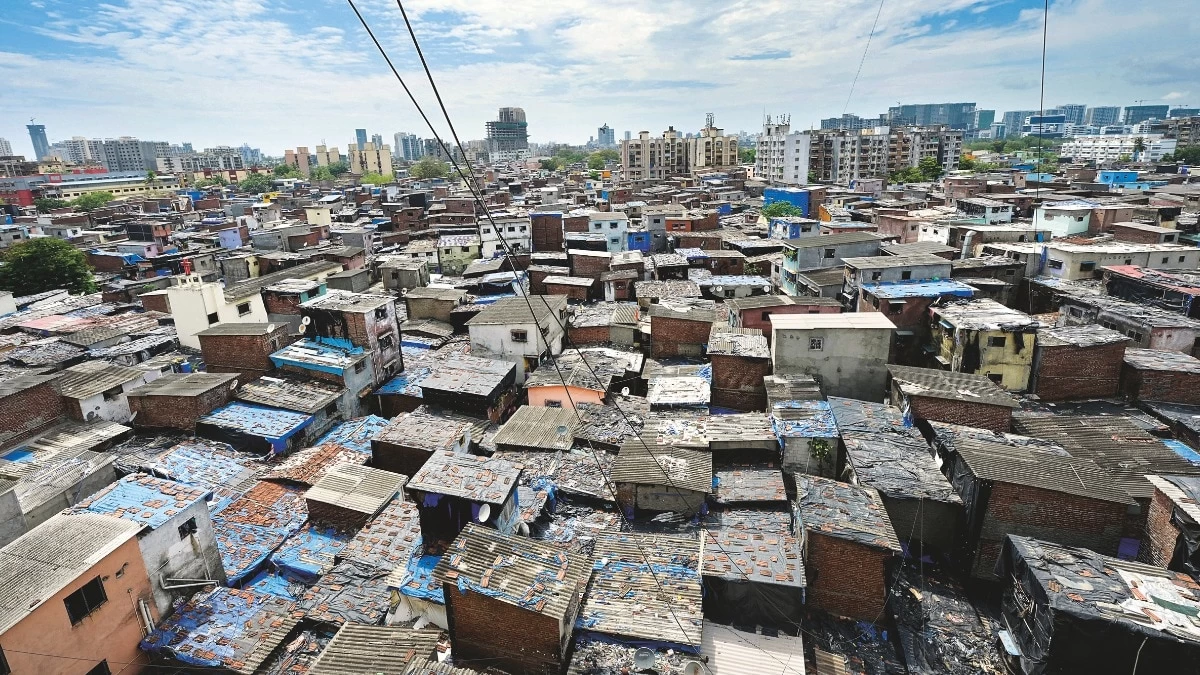
The Dharavi Redevelopment Project has sparked widespread anger after more than 75% of residents from the Meghwadi area in Ganeshnagar were declared ineligible for rehabilitation in the first list issued by authorities.
On Monday, the Dharavi Redevelopment Project (DRP), in collaboration with India Mega Developers Pvt. Ltd., released a preliminary Draft Annexure 2 listing the eligible and ineligible slum dwellers. Of the 505 slum dwellers surveyed across Ganesh Nagar and Meghwadi, only 228 have been found eligible. In total, 38 structures, including schools and religious sites, have also been marked as eligible.
Out of the 228 eligible slum dwellers, only 101 have been deemed directly eligible for free housing within Dharavi. Meanwhile, 56 have been asked to pay a transfer fee of ₹40,000 for in-situ accommodation, and 13 residents falling between the years 2000 and 2011 have been offered homes outside Dharavi upon making payments as per existing rules. An additional 59 slum dwellers have been found eligible for rental housing outside the area.
Shiv Sena (UBT) MLA Aaditya Thackeray criticized the list sharply, stating, “Eighty percent of the people in this first list have been marked ineligible. They’re being pushed towards the Deonar dumping ground. Only those living in Dharavi before Jan 1, 2000, have been deemed eligible for in-situ housing. The real question is, who is this redevelopment for? If every Dharavikar doesn’t get a home in Dharavi, this project won’t be allowed. You can build and prosper, but you can’t loot Mumbai.”
Although many of the 228 eligible tenements have been in Dharavi between 2000 and 2011, residents claim the rules effectively force them out of the area. Activists estimate that only about 100–125 people from Meghwadi, roughly 25% of its population, will be housed within Dharavi.
In protest, the Dharavi Bachao Andolan announced plans to burn copies of the government’s master plan next week, calling it a “symbol of displacement” rather than development.