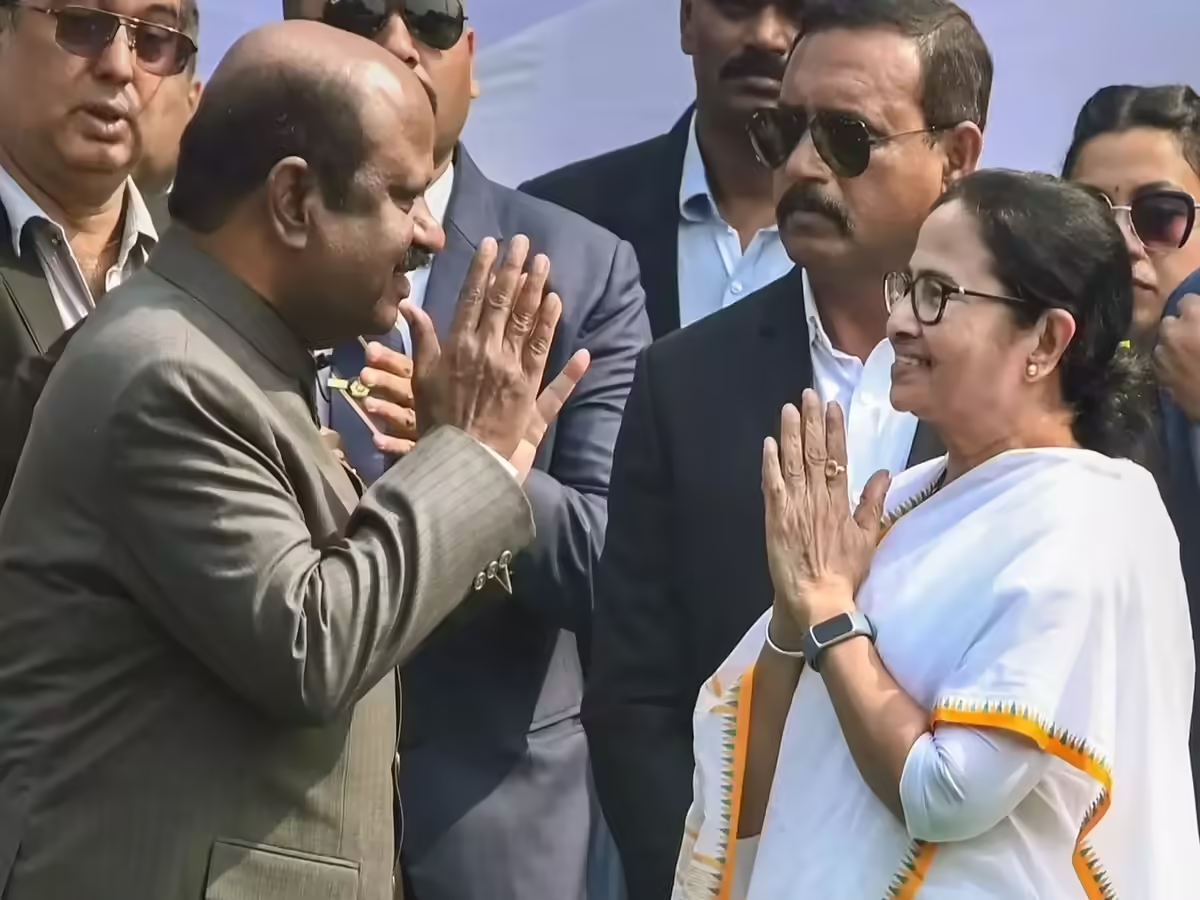
West Bengal Chief Minister Mamata Banerjee on Tuesday announced that the state government would extend compensation to families of those who reportedly died by suicide or became fatally sick because of what she described as “SIR-related pressure”. The aid will also cover BLOs engaged in field duties who either lost their lives or are battling severe health complications.
The Chief Minister stated that families of individuals who died in such circumstances will receive 2 lakhs each. “Those whose condition became serious, and are admitted to the hospital will be entitled to a compensation of 1 lakh each. This is a message to them and their families that the state government is beside them during difficult times,” Banerjee said.
In addition, she claimed that, based on information available with her, 39 people had died, either by suicide or after falling critically ill due to the reported burden of SIR duties. She also noted that several individuals, including BLOs, were currently in hospital in critical condition. “Thirteen people, including BLOs, are in a serious state. Some attempted suicide and are now admitted in critical condition,” she said.
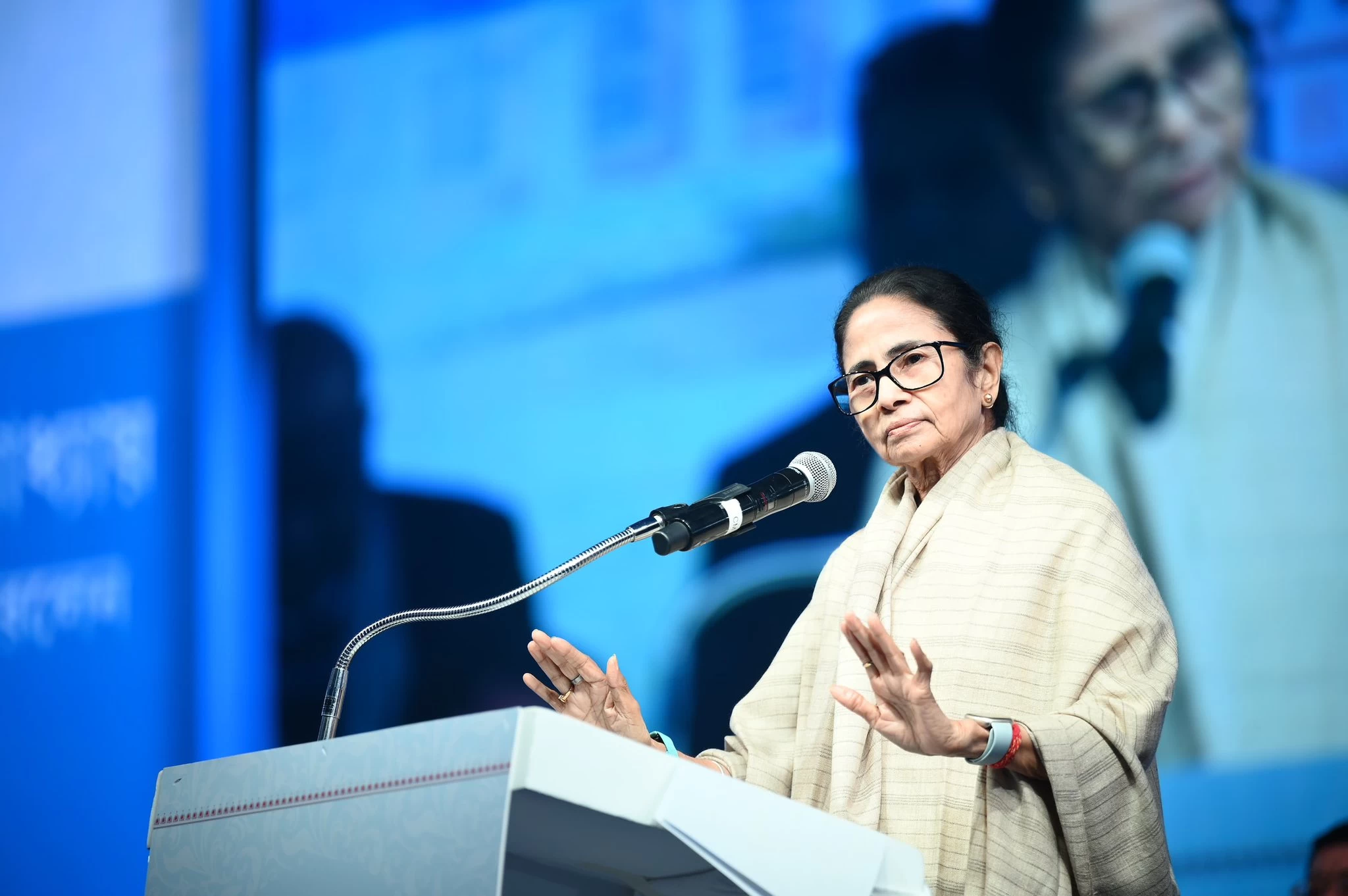
Mamata Banerjee unveiled a multilingual “report card” showcasing the government’s achievements since assuming office in 2011. Highlighting the state’s economic performance, Banerjee said West Bengal’s Gross State Domestic Product (GSDP) had risen significantly since 2011 and now stood at nearly ₹20.31 lakh crore. She stated that state taxes and revenues had increased 5.33 times, capital expenditure had grown 17.67 per cent, and social sector spending had risen by over 14.46 per cent.
The Chief Minister also underscored progress in agriculture, physical infrastructure, and poverty reduction. She said agricultural output had grown more than ninefold, while physical sector expenditure had risen 6.93 times. From 2013 to 2023, she claimed, 1.72 crore people were lifted out of poverty.
On employment, Banerjee said over two crore jobs had been created in the state and argued that West Bengal had reduced its unemployment rate by 40 per cent, outperforming national trends. She added that six new economic corridors under development would create another one lakh jobs, with a further one lakh expected at the Deucha Pachami coal block project.
She highlighted the growth of manufacturing in the state, citing the production of metro and local train coaches, heavy machinery, ships, cement and steel. She noted that over 1.3 crore people were now working in the micro, small and medium enterprise (MSME) sector, and 42 lakh youths had received skills training.
Calling West Bengal a model for the country, she said, “We have created 12 lakh self-help groups, which make the Bengal model a benchmark for the rest of India.” Banerjee urged the Union government to engage constructively with the state instead of issuing unilateral directives. “Don’t give any forceful instruction that will result in the suffering of the common people. But still, if you do that, the state government will help the common people as far as possible. We are answerable only to people, democracy, and the Indian Constitution,” she said.