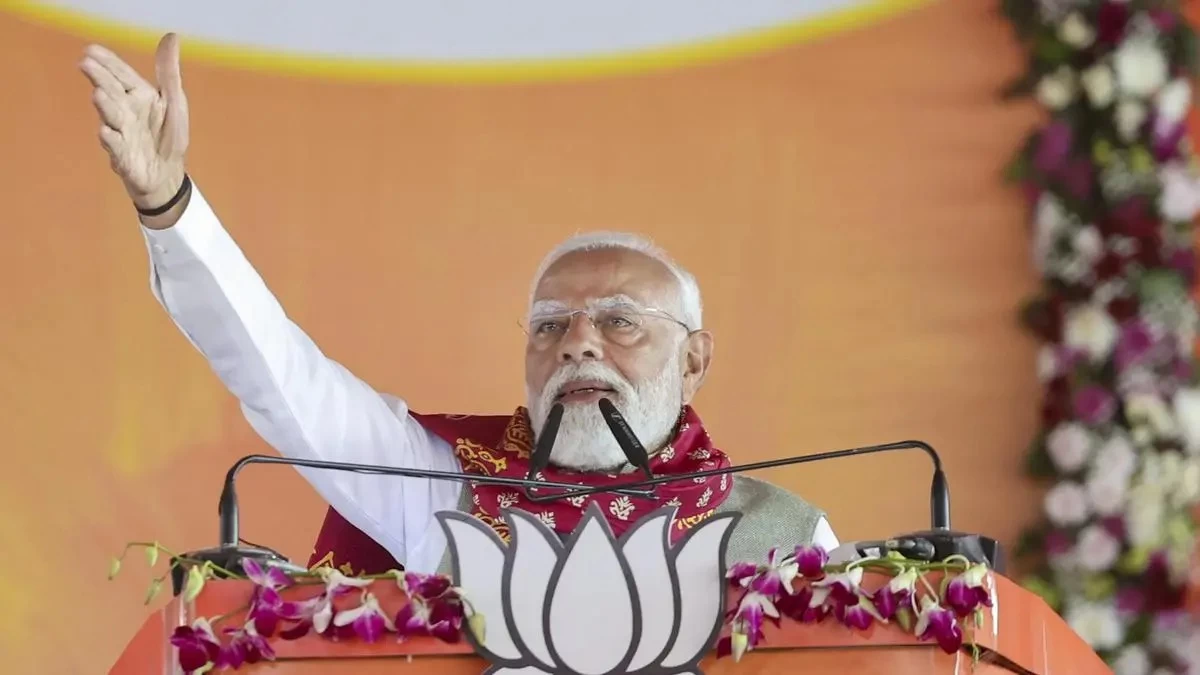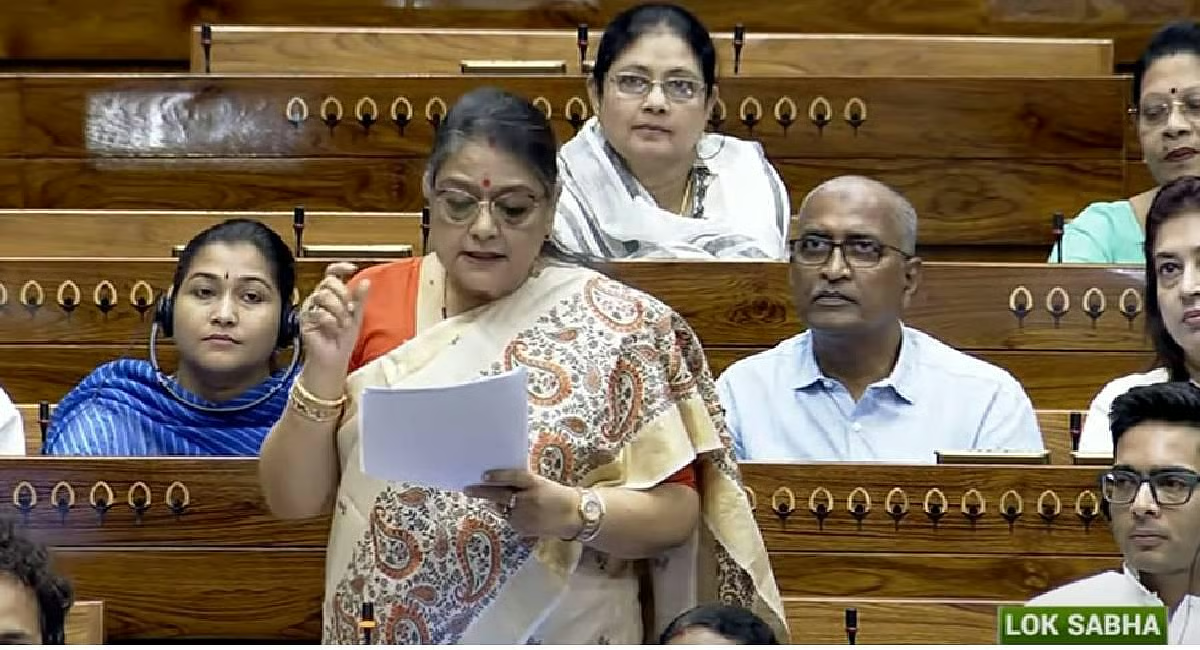
Trinamool Congress (TMC) leader Kakali Ghosh Dastidar directed a sharp rebuttal to Prime Minister Narendra Modi after he referred Saint Bankim Chandra Chattopadhyay as “Bankim da” during the special discussion in Lok Sabha on the 150th anniversary of the national song ‘Vande Mataram’.
“Bengali’s will not accept this dismissive tone,” TMC MP from Barasat constituency Dr. Dastidar retorted on Monday. Dastidar’s criticism came after PM Modi, at one point during his commemoration speech at Lok Sabha, referred to the writer and composer of Vande Mataram, Bankim Chandra Chattopadhayay, as “Bankim da”; not once but thrice.
“Those who are bestowed with power today are unable to fathom the struggle Bengali freedom fighters undertook, completely oblivious of their personal needs. And today, it is all the more surprising because our Prime Minister’s comments violated the Parliamentary norm of not allowing Vande Mataram slogan in the House,” said the TMC MP.
Speaking during the segment, Dr. Dastidar disclosed that she received hundreds of phone calls expressing displeasure on the PM’s remarks. “The way the Prime Minister recalled Saint Bankim Chandra Chattopadhayay, it felt like that the freedom fighter was his friend from a tea stall,” she mentioned. “On this special day, I want to request all citizens of the country to not remember Vande Mataram as a poem or a song but as a solemn vow that helped give constant momentum to the fight for freedom,” Dastidar noted.
Prime Minister Narendra Modi received staunch criticism from other TMC MPs such as Sougata Roy, who during the PM’s speech on Vande Mataram interrupted to object “Bankim da” remark.
While speaking about the Swadeshi movement, Modi remarked, “This spirit was created by Bankim da…,” at which point Roy cut in to note that “da” was not an appropriate form of address. “Bankim Chandra Chatterjee, author of Vande Mataram, India’s national song, was a towering literary figure of 19th-century Bengal. In Bengali usage, “da” is a casual, affectionate term meaning “elder brother,” whereas “Babu” is regarded as a more formal and respectful honorific,” Sougata Roy asserted.
The discussion is taking place within a special parliamentary initiative marking the 150th anniversary of Vande Mataram, with 10 hours specially dedicated to debate in the Rajya Sabha and Lok Sabha as a part of the Winter Session, which began on December 1.