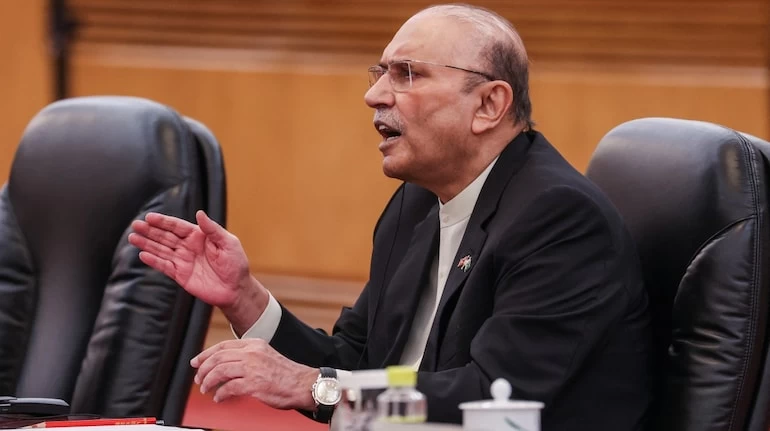
Former Pakistani Prime Minister Imran Khan was granted a rare visit with his sister Uzma Khanum in Adiala Jail, breaking weeks of restricted access and intensifying speculation about his condition.
The brief 20 minutes meeting occurred amid the backdrop of mounting pressure from political supporters, human-rights organisations, and the judiciary, all of whom have been demanding greater transparency regarding the circumstances of his imprisonment.
Following the encounter, Khan’s sister stated that although he appeared physically stable, he is allegedly being held under conditions of prolonged isolation and psychological pressure. She described his environment as one of severe communication restrictions that have placed significant emotional strain on him. While she confirmed there were no immediate signs of physical harm, she emphasised that the isolation itself had become a form of mental distress, raising serious concerns about the nature of his confinement.
According to Khanum as told to Pakistani media, Khan’s sister was allowed entry into jail premises on Tuesday afternoon. She informed that Khan was kept in solitary confinement and “being mentally tortured.” However, she refuted all rumours by clarifying that Khan was otherwise “healthy,” as reported by Geo News.
Sharing details about her brief visit, Khanum accused Chief of Pakistan Army Asim Munir of being responsible for her brother’s condition. “He said they are mentally torturing him. He is angry and he said Asim Munir is responsible for everything that is happening," Uzma added.
For several weeks leading up to the visit, Khan’s family had publicly reported being denied access to him, despite court directives permitting routine communication and visitation. This prolonged silence fuelled widespread concern about the former prime minister’s well-being and triggered rumours about deteriorating health and potential mistreatment. The inability of legal representatives and close relatives to meet or speak with him became a focal point of public debate and political mobilisation, prompting rallies and appeals from supporters demanding clarity.
In a particularly direct accusation, she attributed these conditions to the directives of General Asim Munir, Pakistan’s current Army Chief. According to her, Khan believes the pressure being exerted upon him is politically motivated and designed to weaken his resolve at a critical phase in Pakistan’s political landscape. These allegations highlight the continuing tensions between Khan’s political movement and the military establishment, a longstanding dynamic that has shaped the trajectory of Pakistan’s governance.
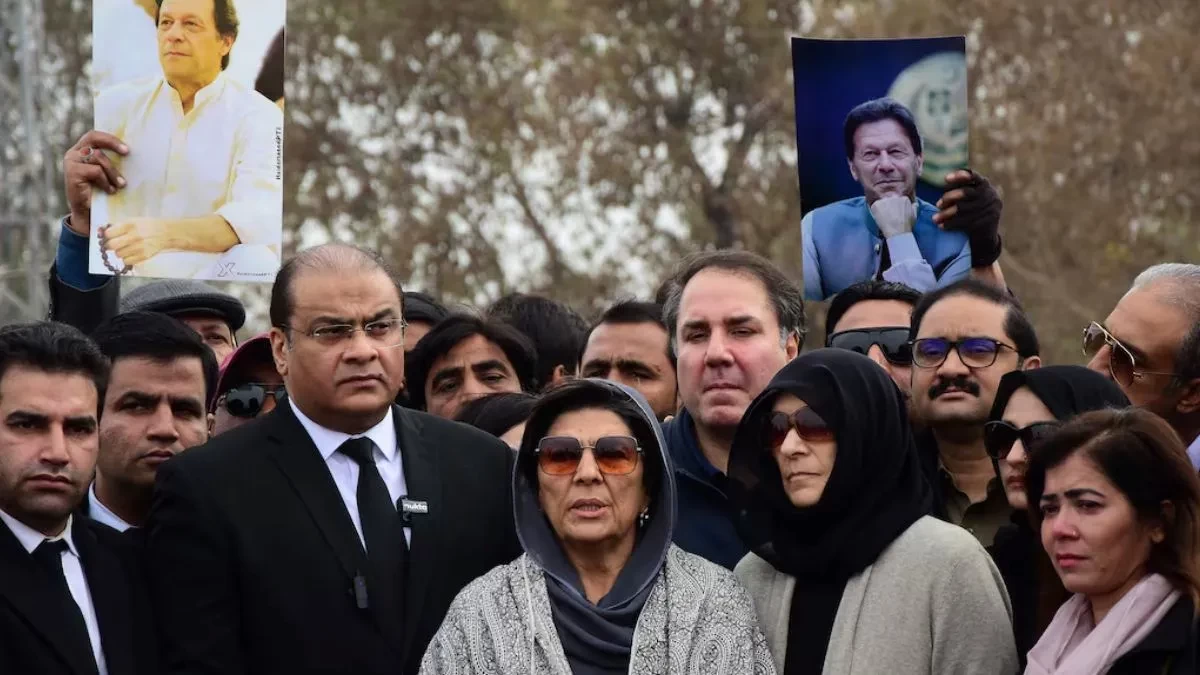
In the days leading up to Imran Khan’s sister being allowed to meet him in Adiala Jail, significant unrest unfolded outside the prison as supporters of the former prime minister gathered to demand transparency over his condition and access for his family. Members of Pakistan Tehreek-e-Insaf (PTI), including elected lawmakers and Khan’s own relatives, staged demonstrations after repeated attempts to meet him were denied despite court orders. These protests were met with a heavy security presence, with police and anti-riot units deployed around the jail to deter large gatherings. At various moments, tensions escalated, and there were reports of police confronting and allegedly manhandling peaceful protesters, including women. Despite restrictions imposed under Section 144, PTI supporters persisted with regular demonstrations, signalling their frustration over the secrecy surrounding Khan’s detention.
Imran Khan has been incarcerated since August 2023, following his conviction in a corruption case, and has remained in custody for over two years. During this period, he has faced a multitude of cases across Pakistan, many involving allegations of corruption, offences related to public order, and charges linked to protests and security matters. Among these is a significant 14-year sentence handed down by an accountability court. Khan and his supporters argue that these cases are politically motivated and designed to remove him from the political landscape. Throughout his incarceration, restrictions on meeting family members and legal representatives have sparked ongoing controversy, contributing to the widespread public anxiety and political agitation witnessed outside Adiala Jail.