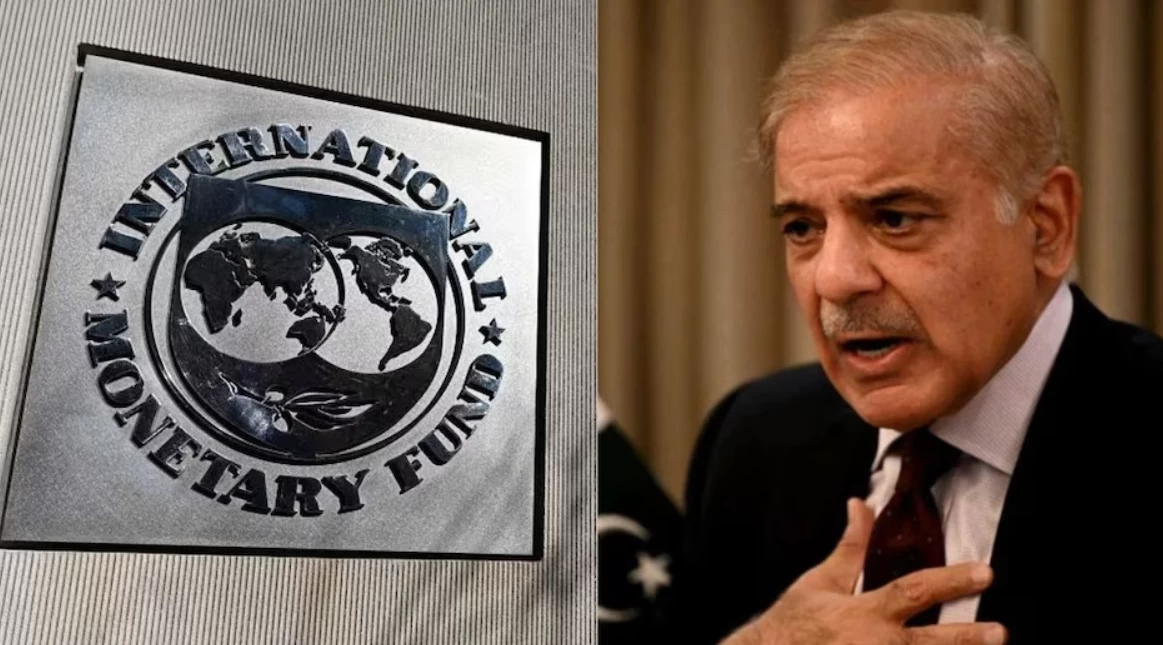
The International Monetary Fund (IMF) has reportedly pushed back against a request by Pakistan’s Prime Minister Shehbaz Sharif to remove the 18% General Sales Tax (GST) on contraceptive products like condoms. The global monetary body upheld its decision to maintain high prices for birth control despite Pakistan’s alarming population growth amid deteriorating economic condition.
The request was raised as part of broader discussions aimed at easing the financial burden on essential health items and improving access to family planning resources across the country after contraceptives like condom were slapped with 18% GST, according to Pakistan-based media The News. However, IMF denied the request to allow any relaxation before the next fiscal year.
Not just on contraceptive supplies, Pakistan had also proposed relaxation of basic hygiene products like sanitary pads and baby diapers, which were also refused by the global money lender.
According to sources familiar with the matter, the IMF declined the plea, citing fiscal constraints and existing commitments under Pakistan’s economic reform program. “Any deviation from the agreed-upon tax framework could jeopardise the country’s fragile economic recovery under the current $7 billion bailout programme,” IMF said in a statement. The global lender emphasized the importance of maintaining agreed tax measures to ensure revenue stability, particularly at a time when Pakistan is navigating a fragile economic recovery.
Pakistan’s heavy reliance on external assistance leaves it little room to deviate from the conditions set by the International Monetary Fund, as any defiance could risk sovereign default, international isolation, and severe economic instability. With its economy under strain, the country continues to depend on IMF backing to prevent further deterioration.
Islamabad is currently supported by IMF financing through a 37-month Extended Fund Facility (EFF), along with Resilience and Sustainability Facility (RSF) designed to strengthen economic growth, enforce fiscal reforms, and enhance climate resilience. So far, the IMF has released approximately $3.3 billion under these arrangements, while a further $1.2 billion has been approved for subsequent disbursement.
Pakistan is proceeding with plans to privatise its heavily indebted national airline, Pakistan International Airlines (PIA), as part of its commitments under the IMF’s $7 billion bailout package, with the move aligning directly with conditions set by the global lender.