Tuesday’s cloudburst, the heaviest single-day downpour the city has witnessed in recent memory, has left Gariahat’s famous hawker markets reeling. The 280 mm rainfall, with some areas recording over 330 mm in just seven hours, not only choked Kolkata’s roads with waist-deep water but also devastated the livelihoods of hundreds of hawkers who were counting on the Durga Puja rush to recover from past struggles.
At the heart of the disaster are the hawkers of Gariahat and Ballygunge, many of whom operate from makeshift stalls with thin tin sheets and cupboards stacked on footpaths. On Tuesday, their merchandise was submerged in murky water, their cupboards floating, their savings drenched and with them, their hopes for the season.
“I Am Over. This Has Broken My Spine.”
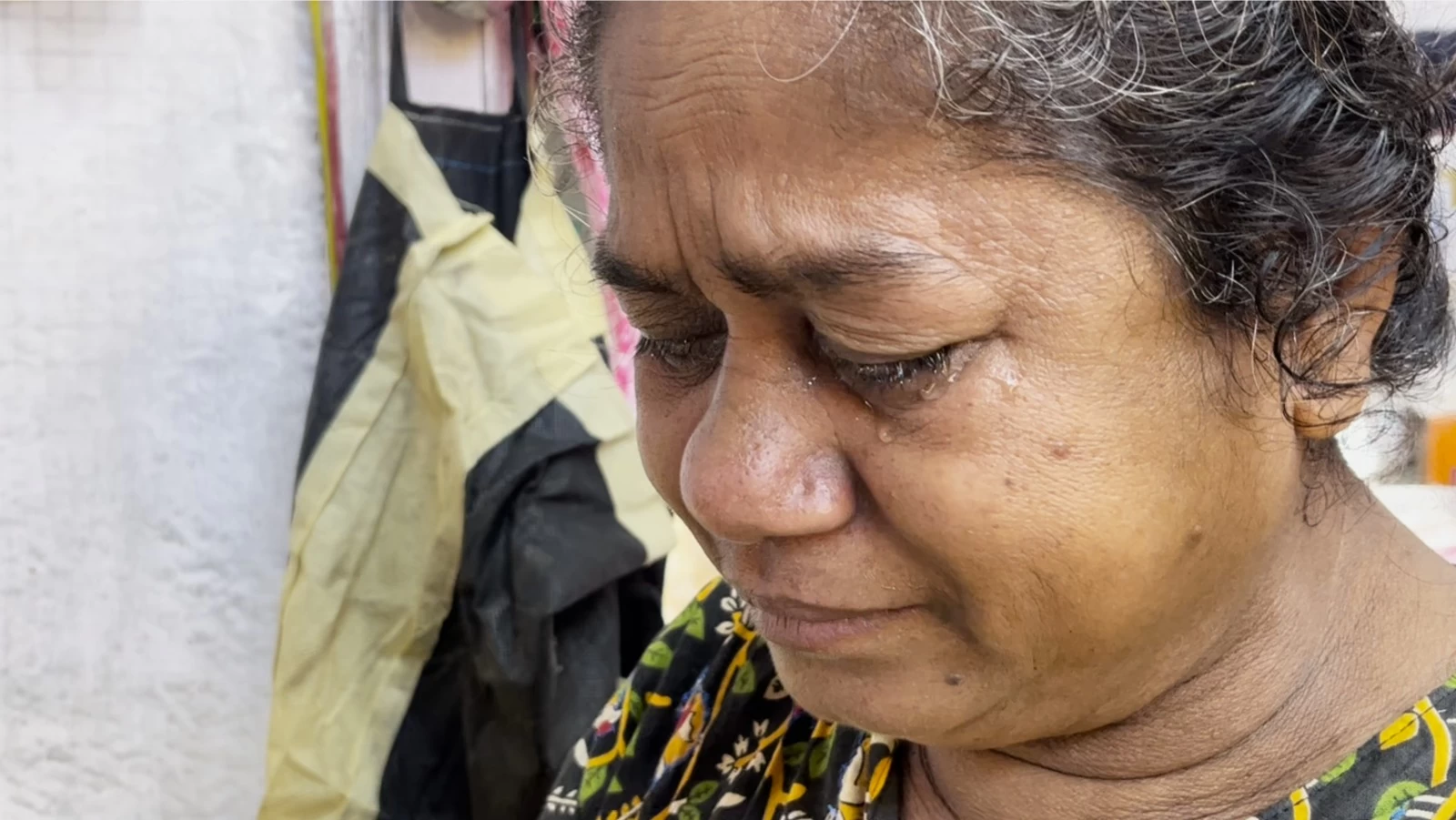
Kalpana Das, 59, has been selling hosiery items at Gariahat for the last 35 years. Her small stall funded her daughter’s education all the way to Presidency College. Today, that daughter lives abroad. But Kalpana, who comes from Patuli, stood helpless on Tuesday night, clutching the sodden piles of innerwear and children’s garments she had purchased with borrowed money.
“I am over. I will not be able to bounce back after this. This has broken my spine,” she said, breaking down as she showed her waterlogged cupboard. For her, the loss isn’t just about money, it is the shattering of decades of struggle.
Money Washed Away
For many, even their cash reserves didn’t survive. Sabari Debnath, another hawker, pulled out a crumpled plastic packet from her bag, her only attempt to shield the day’s earnings. Inside were notes soaked through, blurred, and rendered useless. “This was my entire capital. Now I don’t even have bus fare to return home,” she said. She showed her humble store which was completely shattered. From inside the cupboard she pulled out soaked clothes and asked “please tell me who will buy them now?”
Nearby, men were seen wringing water out of shirts and saris. But the faded colours and musty smell meant the clothes could no longer be sold. “Who will buy these for Puja? People want new, bright clothes. These are waste now,” said one seller before hurling an entire bundle into the roadside dump. Ashok Kumar Day, 65, rushed towards us seeing the camera. He was desperate to tell his story of losses. He took us inside the store where almost ninety percent for his stocks were completely wasted by flood water. "My house is in Kasba. After the cloudburst I wanted to come immediately. But had no scope. At 7am in the morning, it was still pouring but I came here to rescue whatever I could. I couldn’t rescue anything, not even my fate”, he cried while showing two plastic full of clothes - new and packed inside plastic packets but completely damaged.
Durga Puja season is the lifeline for Gariahat’s hawkers. Many borrow heavily from wholesalers to stock up on festive wear and accessories, hoping to repay once the sales boom arrives. This year, they say, their gamble has backfired even before the festival has begun. “Every year we take loans, we manage somehow. But this time the water came like a curse. Everything is gone. I don’t know how I will pay back the wholesalers,” said Sanjay Sankha Modi, a garment seller who had just bought fresh stocks a week ago. He was still segregating the stock- the ones gone and the ones that can be saved. A customer had just arrived at his store to check out some dresses, she touched one and realised that was wet. She didn’t waste her time and walked away. “We wait for customers everyday, this puja our businesses have washed away”, he said while squeezing water from a new pair of trousers.
Plea for Relief
As the rain eased, the sight of the iconic Gariahat footpaths was grim: hawkers, pulling out cartons of ruined goods; women crying over cupboards filled with sodden fabric; and piles of unsellable merchandise being dumped in heaps. Some hawkers folded their hands toward the sky, praying for a miracle. Others whispered bitterly about the absence of officials or relief. “We don’t want sympathy. We want help. If the government doesn’t step in, we will starve,” said Amit Chakraborty, who had lost his entire stock of kurtis.
A Festival of Despair
For customers, Gariahat is usually synonymous with Puja shopping, the excitement of bargaining, the bustle of decorated stalls, and the cheer of hawkers calling out their wares. But this year, instead of a carnival, Gariahat is a site of despair. As one exhausted hawker - Kanu Saha, summed up: “People will come here to shop, but we will have nothing left to sell.”