A high level U.S. delegation led by Assistant Trade Representative Brendan Lynch touched down in New Delhi late on Monday evening, setting the stage for crucial discussions on a proposed bilateral trade agreement (BTA) with Indian counterparts on Tuesday. The visit comes on the heels of pointed remarks from White House trade advisor Peter Navarro, who declared that India is finally "coming to the table" in negotiations, even as he reiterated criticisms of New Delhi's tariff policies and energy ties.
Navarro, a staunch advocate for President Donald Trump's protectionist agenda, made the comments during a CNBC interview on Monday, framing the upcoming talks as a pivotal moment. "India is coming to the table," Navarro stated, adding that the South Asian nation maintains "very high tariffs" that have long irked U.S. policymakers. His words underscore the Trump administration's push for reciprocity in global trade, where American goods face barriers abroad that are not mirrored in the U.S. market. This isn't Navarro's first salvo; last week, he warned that India "must come around" or risk an unfavourable outcome, dubbing the country the "maharaja of tariffs" in a nod to its protective measures on imports ranging from electronics to agricultural products.
The one-day talks, scheduled for Tuesday at the Ministry of Commerce, will be spearheaded on the Indian side by Rajesh Agrawal, Special Secretary in the Department of Commerce and the nation's chief trade negotiator. Officials described the meeting as a precursor to the sixth round of formal BTA negotiations, originally slated for late August but postponed amid escalating U.S. tariff threats. Initiated in March 2025, the BTA aims to forge a balanced framework that boosts two-way trade, currently valued at over $190 billion annually, while addressing longstanding imbalances. Proponents hope to wrap up an initial phase by late October or November, potentially averting broader trade disruptions.
At the heart of the discussions lies the contentious issue of tariffs. The Trump administration has imposed 25% duties on select Indian exports, with threats of escalation to 50% linked to India's purchases of discounted Russian crude oil. Navarro didn't hold back on this front either, labelling India's energy deals with Moscow as "crazy stuff" that indirectly funds Russia's military efforts in Ukraine. "Indian refiners got in bed with the Russian refiners immediately after the invasion, and they're making out like bandits," he remarked, urging New Delhi to align more closely with Western sanctions. This rhetoric echoes broader U.S. concerns, as India has ramped up Russian oil imports to record levels since 2022, saving billions while navigating geopolitical tightropes.
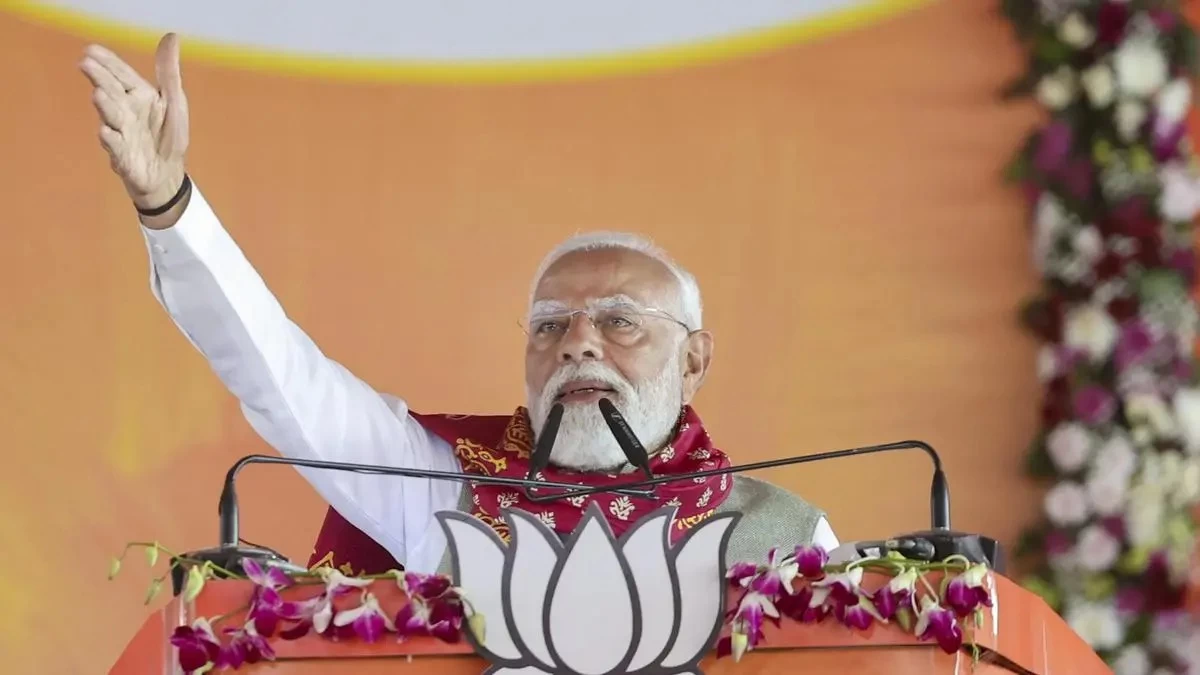
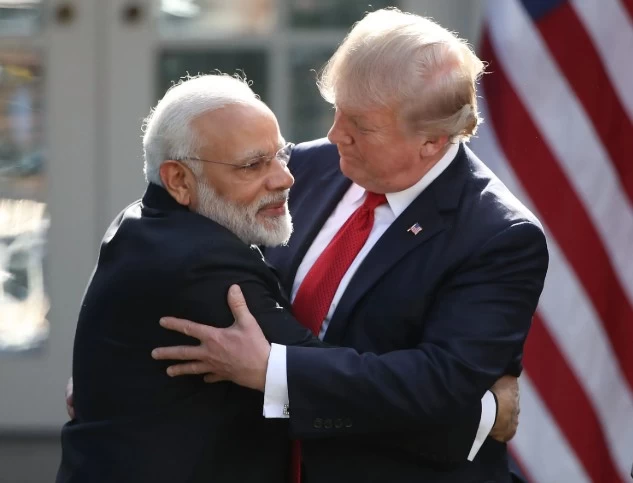
Despite the tough talk, there are glimmers of optimism. Recent social media exchanges between President Trump and Prime Minister Narendra Modi have thawed what was a frosty stalemate. Modi, responding to Trump's praise of the India-U.S. partnership, affirmed the nations as "close friends and natural partners," expressing confidence in unlocking "limitless potential" through collaboration. Trump, in turn, voiced enthusiasm for the talks, hinting at a "fast-track" approach to resolution. Indian officials, speaking anonymously, emphasised that the BTA would prioritise sectors like information technology, pharmaceuticals, and clean energy, where mutual gains could offset tariff pains.
The stakes are high for both sides. For India, the agreement could safeguard its booming export sector - textiles, gems, and software services chief among them—from further U.S. levies, which have already dented shipments by an estimated 15% this year. With a narrowing goods trade deficit in August, New Delhi seeks concessions on U.S. agricultural barriers and intellectual property rules that favour American firms. On the U.S. side, the deal aligns with Trump's "America First" doctrine, aiming to reduce a $30 billion trade surplus in India's favour and open markets for machinery, aircraft, and energy exports.
Critics, however, warn that Navarro's aggressive stance risks derailing progress. Howard Lutnick, another Trump ally, recently cautioned that countries resisting tariff reductions will face "a tough time" in the world's largest consumer market. Indian economists counter that high tariffs protect nascent industries from dumping, citing successes in auto manufacturing and dairy. As Lynch's team huddles with Agrawal, the world watches whether diplomacy can bridge the divide or if Trump's tariff hammer will fall harder.