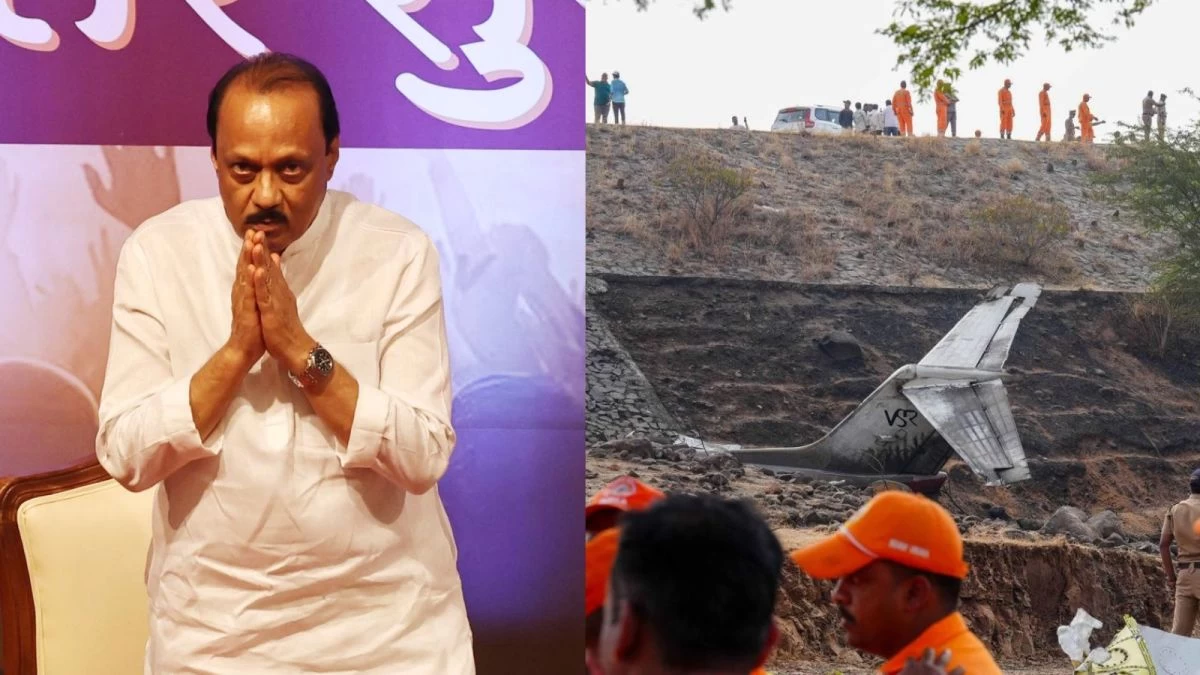
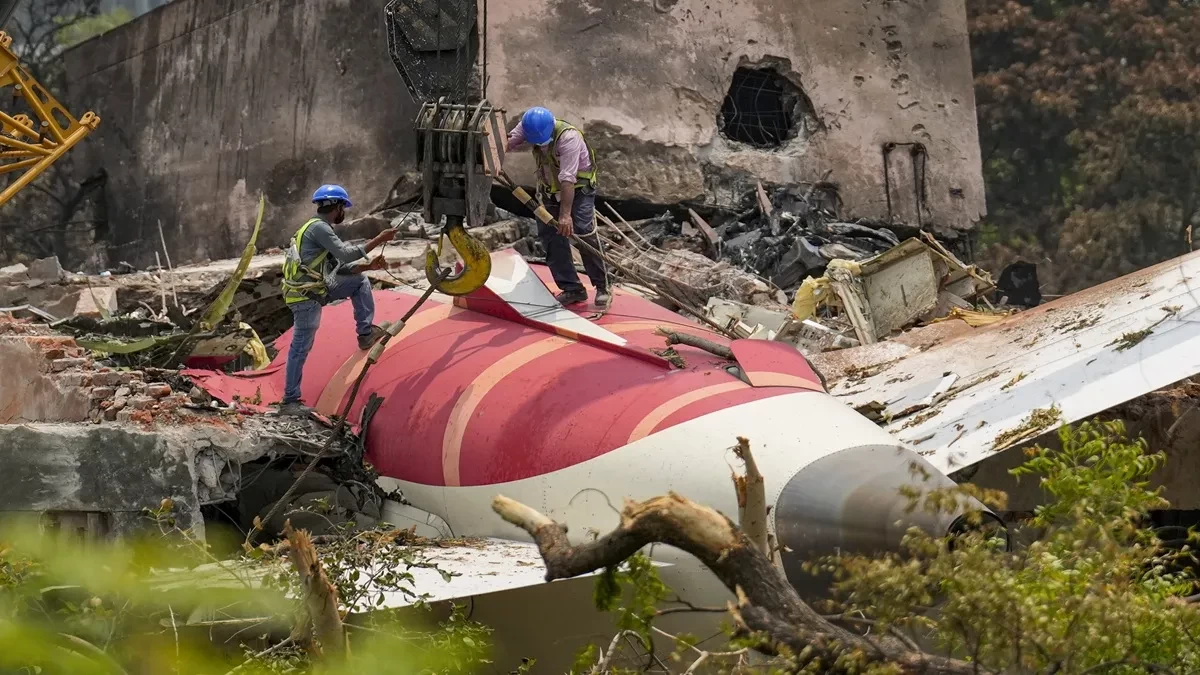
The Air India crash in June 2025, claimed lives of over 260 people, making it one of the deadliest aircraft disasters in history. The Boeing 787 passenger carrier was en route to London Gatwick Airport from Ahmedabad in Gujarat when it met with its ghastly fate after it just lifted off from the runway.
According to preliminary report, the flight lost its thrust from both engines immediately after leaving the runway and began a nosedive decent and hit the ground 32 seconds later. Evidence of total power loss was confirmed by the deployment of the “ram air turbine” (RAT), an emergency device that activates automatically when an aircraft experiences complete electrical or hydraulic failure due to engine shutdown. Despite its activation, the system could not prevent the crash.
Human Intervention?
The Supreme Court of India on Thursday sought a progress report on the investigations into the Air India plane crash. On the same day, an Italian daily, citing probe agency sources, published new piece of information claiming that the Dreamliner AI 171 crashed after an “almost certainly intentional” intervention.
According to the Italian publishing named Corriere della Sera, Analysis of flight data and cockpit audio has increasingly pointed toward the captain, who was monitoring systems while the first officer piloted the aircraft. According to investigators, the engines were shut down sequentially — first the left engine, then the right — a pattern consistent with actions from the captain’s side of the cockpit.
“Audio from multiple cockpit microphones and control data from the flight recorder indicated that in the final moments, the first officer attempted to regain altitude by adjusting his controls, while the captain’s controls remained largely unchanged. These findings have strengthened suspicions that the shutdown may have been intentional,” the report said citing experts.
Extensive simulations conducted on Boeing 787 flight simulators in the United States found no scenario in which both engines shut down simultaneously due to technical failure. Investigators concluded that the only plausible explanation was human intervention — either intentional or accidental.
Cockpit Audio Analysis
The preliminary report released a month after the crash confirmed that both engines stopped after the fuel switches were moved from “Run” to “Cutoff.” However, it did not explain why the switches were changed. A crucial detail included in the report was an exchange captured by the cockpit voice recorder: one pilot was heard asking, “Why did you turn off the engines?” to which the other replied, “It wasn’t me.” Attempts to restart the engines failed to restore thrust in time.
By stating that simulations and data show no mechanical or electrical failure capable of shutting down both engines simultaneously, the report removes the possibility that the crash was due to aircraft malfunction. This leaves human intervention as the most plausible cause, placing responsibility squarely within the cockpit. Even if the final report uses cautious language and avoids naming the captain directly, the narrative that one pilot intentionally shut down engines could significantly damage the reputation of the pilot commander Captain Summet Sabharwal, who died in the crash.
Sources, as cited by the Italian publication, indicate that the report’s conclusions will undergo a political review before publication. The final version, expected between June 8 and June 12, may present a more cautious or “softened” description of events to avoid sparking domestic controversy. Officials are said to be mindful of potential public backlash and geopolitical sensitivities, particularly amid criticism of Western involvement in the investigation.
Friction between investigators
The investigation has been marked by significant tension between Indian authorities, who are leading the probe, and American experts from the National Transportation Safety Board (NTSB), Boeing and GE Aerospace. The US teams were involved because of their role in manufacturing the aircraft and its engines.
Western officials reportedly expressed frustration over what they viewed as reluctance by Indian investigators to acknowledge the possibility of human involvement. Disagreements over access to data and interpretation of evidence created prolonged friction during the inquiry.
The decision on how much detail to publish will depend on high-level consultations between India’s Civil Aviation Ministry and Prime Minister Narendra Modi. Indian aviation authorities have not publicly commented on the latest developments.