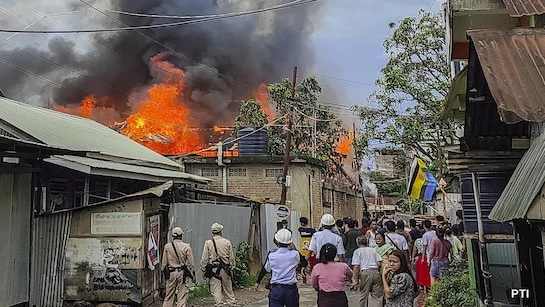
A 29-year-old man, identified as Amrit Mandal (also known as Samrat), was beaten to death by a mob late Wednesday night in Hosendanga village, Pangsha Upazila of Rajbari district, local police confirmed. The attack occurred around 11:00 p.m., and Mandal was pronounced dead shortly after being rushed to a nearby hospital following the assault.
Police have described the incident as stemming from allegations of extortion and criminal activity linked to Mandal and his associates, rather than communal violence.
According to police information and preliminary investigations, it is clearly evident that the incident is in no way related to communal violence. Rather, it arose from a violent situation stemming from extortion and criminal activities. The deceased, Amrit Mondal, alias Samrat, was a listed top criminal who had entered the area with the intent of collecting extortion money. At one stage, he lost his life during a clash with agitated residents," the interim government led by Muhammed Yunus said in a statement.
Authorities have arrested one of his associates and recovered firearms during the investigation.
Amrit Mondal was reported to be a resident of Hosendanga village in Pangsha, Rajbari. According to Bangladeshi media citing police sources, he was identified as the leader of the group known as “Samrat Bahini,” which is listed in police records. Authorities allege that the group was involved in a range of illegal activities, including intimidation and organised extortion.
However, the killing has drawn intense attention in a nation already grappling with political instability and rising violence, marked by a string of mob attacks and lynchings over the past week.
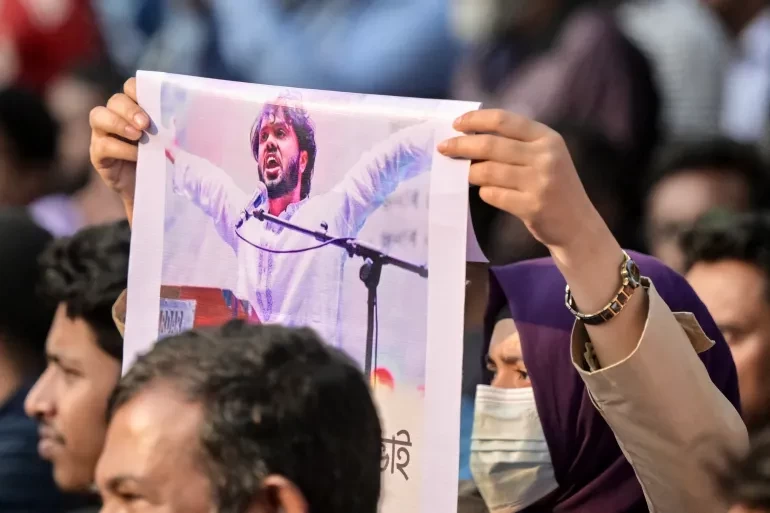
The killing of Mandal comes just days after the death of prominent youth leader Sharif Osman Hadi, who succumbed to injuries on 18 December 2025, six days after being shot in Dhaka’s Paltan area on 12 December. Hadi’s death has ignited widespread unrest and political debate across Bangladesh, with protests, arson attacks on media outlets, and growing public anger.
Hadi, a convenor of the Inqilab Moncho platform and an aspiring independent candidate for the February 12, 2026 general election, had emerged as a significant figure in the 2024 movement that led to a change in political leadership. His assassination has intensified concerns about law and order and the conduct of the nation’s electoral process.
Opposition figures, including Hadi’s family, have made explosive claims blaming elements within the interim government for his killing, alleging it was intended to derail the upcoming polls – charges that the government has denied while pledging a full investigation
Bangladesh is preparing for parliamentary elections scheduled for February 12, 2026, under an interim government headed by Nobel laureate Muhammad Yunus. These elections come amid sustained tension, ongoing debates over security, and questions about the fairness of the political environment.
Samrat’s killing came on the day when Bangaldesh National Party (BNP) Acting Chairman, Tarique Rahman, returned to Dhaka after 17 years in self-exile in London. His arrival has energized party supporters and is seen as a potential game-changer ahead of the February polls.
The Yunus administration has publicly condemned mob violence and lynchings, urging citizens to remain calm and asserting that perpetrators of such acts will be held accountable. Officials have called for peace and respect for the law as the nation navigates this period of heightened tension.