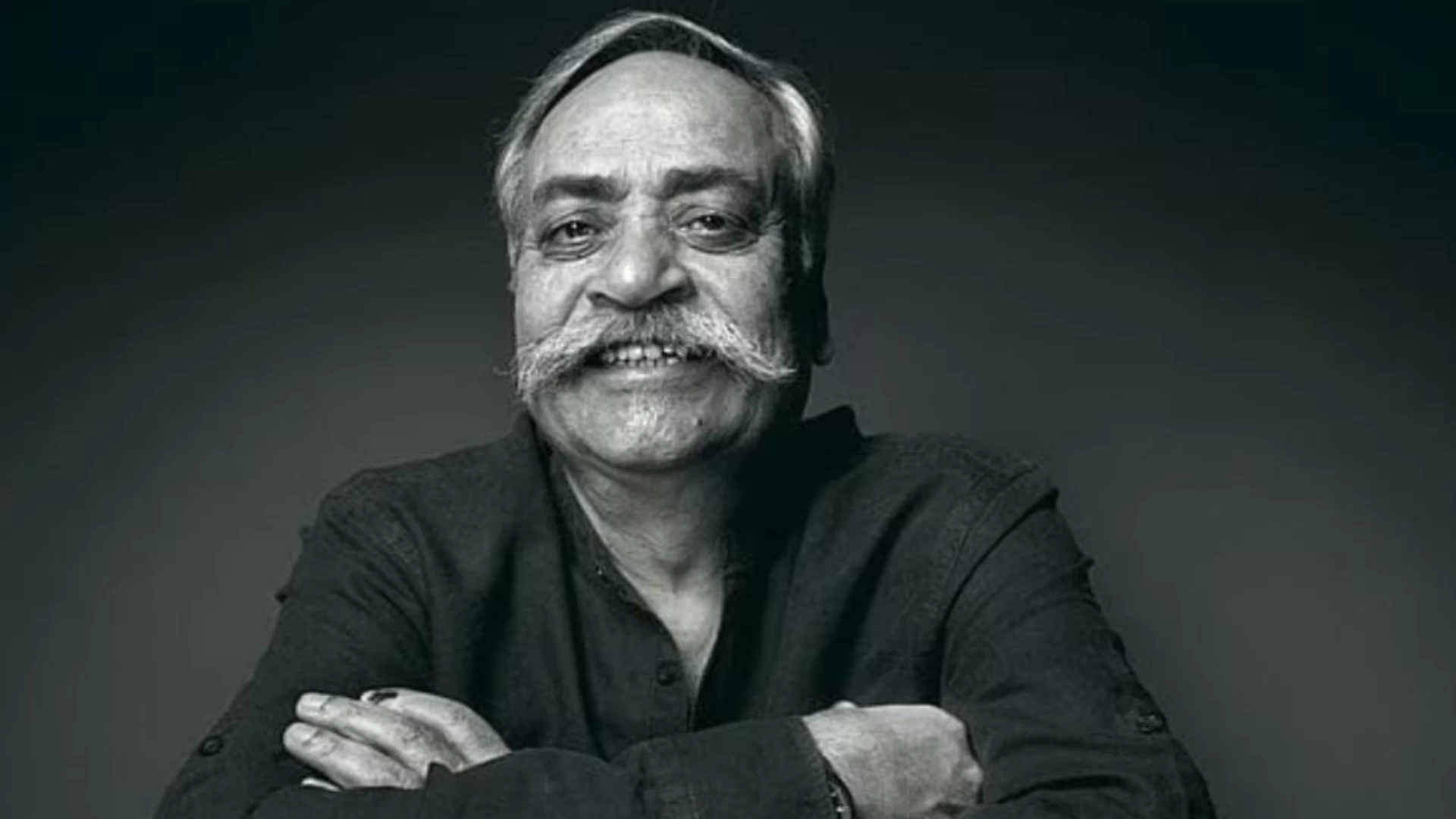
In a profound loss to the world of creativity and branding, Piyush Pandey, the maestro who infused Indian advertising with wit, warmth, and unforgettable vernacular flair, passed away early Friday morning at the age of 70. The veteran copywriter, celebrated for campaigns that transcended mere promotion to become cultural touchstones, succumbed to complications from a prolonged infection after spending nearly a month in a coma. His departure marks the dimming of a light that illuminated homes across the nation through television screens and radio waves for over four decades.
Born in 1955 in Jaipur, Rajasthan, into a family of educators, Pandey grew up in an environment rich with storytelling and humor—elements that would later define his professional ethos. "Every creative person is the result of the environment in which they were brought up," Pandey once reflected in his memoir ‘Pandeymonium: The Rise of Big Indian Advertising’, encapsulating the roots of his genius. A graduate of St. Stephen's College, Delhi, he initially stumbled into advertising almost by accident. Joining Ogilvy & Mather in 1982 as a client servicing executive, Pandey quickly pivoted to the creative side, where his innate talent for blending desi charm with global polish shone through. By the early 2000s, he had ascended to Executive Chairman of Ogilvy India and Chief Creative Officer Worldwide, a role he held until his retirement in 2019.
Pandey's portfolio reads like a greatest-hits album of Indian pop culture. Who can forget the mischievous Fevicol ads, with their tagline "Dum Laga Ke Haisha," turning a humble glue into a symbol of unbreakable bonds? Or the Cadbury Dairy Milk spot featuring a girl dancing triumphantly after exam results, set to the infectious "Kuch Meetha Ho Jaaye," which single-handedly revived the brand during a slump in the late 1990s? His genius extended to Asian Paints' "Har Ghar Kuch Kehta Hai," Colgate's cavity-fighting jingles, and Bingo's playful "What's in the Bag?" series. Even political advertising bore his imprint: the 2014 Lok Sabha election's rallying cry "Abki Baar Modi Sarkar" for the BJP, a simple rhyme that propelled Narendra Modi's campaign to victory and echoed in chai stalls nationwide.
Beyond the screen, Pandey's influence reshaped the industry. He championed Hindi and regional languages in ads, ditching the stilted English of yesteryear for dialogues that felt like family banter. "The more insecure you are about your idea, the less you will share it and the less the possibility for a good idea to become great," he advised aspiring creatives, urging collaboration over isolation. This philosophy birthed award-winning work at Cannes Lions and fuelled Ogilvy's dominance in India. Honoured with the Padma Shri in 2016, Pandey was a mentor to generations, often spotted at industry dos cracking jokes in his signature drawl.
Tributes poured in swiftly, underscoring his far-reaching impact. Prime Minister Narendra Modi, whose electoral narrative Pandey helped craft, took to X (formerly Twitter) to mourn the loss. "Deeply saddened by the passing of Piyush Pandey ji, the creative force behind 'Abki Baar Modi Sarkar' and countless ads that captured India's spirit. His wit and wisdom will echo forever. Om Shanti," Modi posted, highlighting their shared history. Industry peers echoed the sentiment. R. Balki, filmmaker and ad veteran, called him "the godfather who made advertising fun," while Prasoon Joshi, CBFC chief, remembered him as "a poet of the everyday."
Pandey's family confirmed his last rites will be held on Saturday, October 25, at Shivaji Park crematorium in Mumbai, with a private ceremony for close ones. In lieu of flowers, they requested contributions to creative education initiatives, a nod to his belief in nurturing young talent.
As the ad world grapples with this void, Pandey's legacy endures - not in boardrooms, but in the jingles that still make us hum along. He didn't just sell products; he sold stories, turning mundane moments into magic.